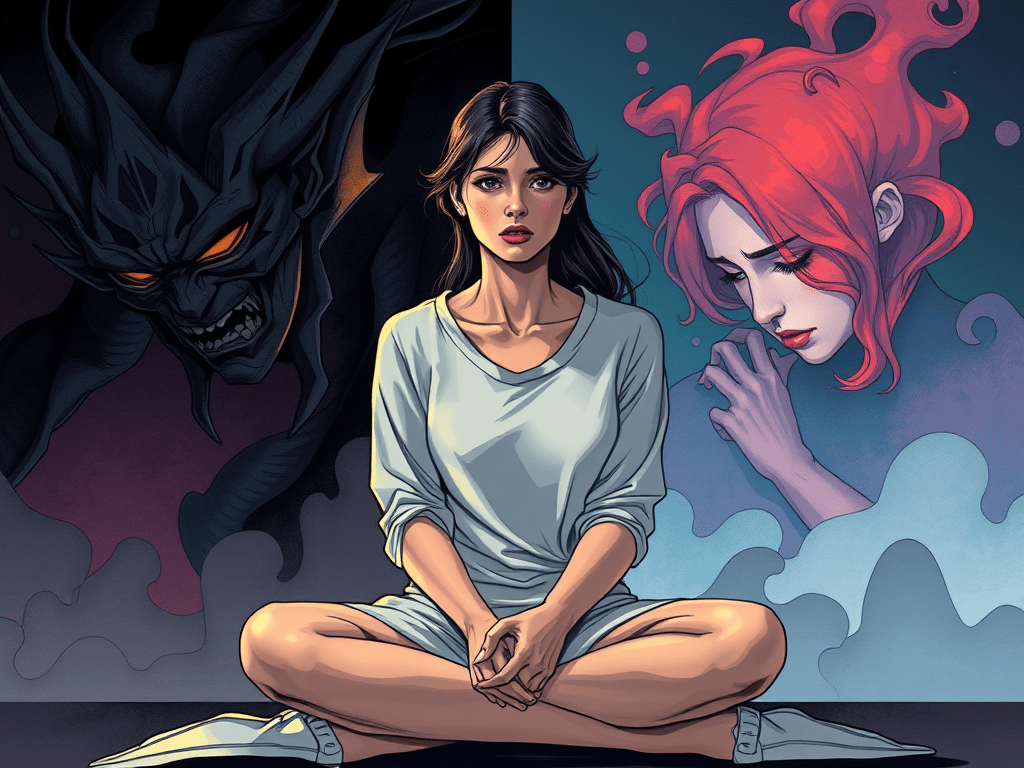
Fear and sadness often get a bad reputation. We’re taught to push through fear and “stay positive” through sadness, as if these emotions are obstacles rather than information. But both fear and sadness exist for a reason. Fear is designed to protect us—alerting us to danger, risk, or the need for caution. Sadness slows us down, signaling loss, disappointment, or unmet needs. When we ignore them, we don’t become stronger—we become disconnected.
Fear and Sadness in Relationships and Morality
In relationships, fear often shows up as defensiveness, withdrawal, or control. It may be the fear of being abandoned, misunderstood, or hurt again. Sadness, on the other hand, tends to surface when there’s emotional distance, unmet expectations, or grief for what a relationship once was—or never became. Morally, these emotions help guide our values. Fear can alert us when something feels unsafe or misaligned, while sadness can reflect empathy, remorse, or a recognition that something meaningful has been lost. Together, they help us act with care rather than impulse.
How Fear and Sadness Shape Our Self-View
Internally, fear can convince us that we are incapable, behind, or unsafe in the world. Sadness may whisper that we are unworthy, unlovable, or stuck. Over time, these unchecked narratives shape how we move through life—what risks we take, how visible we allow ourselves to be, and whether we believe change is possible.
How to Respond to Fear and Sadness
Managing fear and sadness doesn’t mean eliminating them. It means listening with curiosity. Naming the emotion, identifying its trigger, and responding with compassion can soften its intensity. Practices like grounding, journaling, movement, therapy, and honest conversation allow these emotions to move rather than stagnate.
Wisdom to Carry With You
- Fear and sadness are messengers, not enemies—they offer guidance when we’re willing to listen.
- These emotions shape relationships, values, and self-worth when left unexamined.
- Responding with curiosity and compassion creates resilience, not avoidance.
I appreciate you taking the time to read my post. I’m just trying to offer a few words of wisdom in a complex world. Subscribe, comment, like, or share it with others if this resonated with you. Life is hard, and I am here to help. To learn more about the services I offer, you can go here: Services
Instagram- peaceandgracetherapeutic
Tik Tok @peaceandgracetherapeutic
Facebook Peace & Grace Therapeutic Services LLC
LinkedIn- linkedin.com/in/jenniferbailey
 Peace & Grace Therapeutic Services, LLC
Leave a comment